
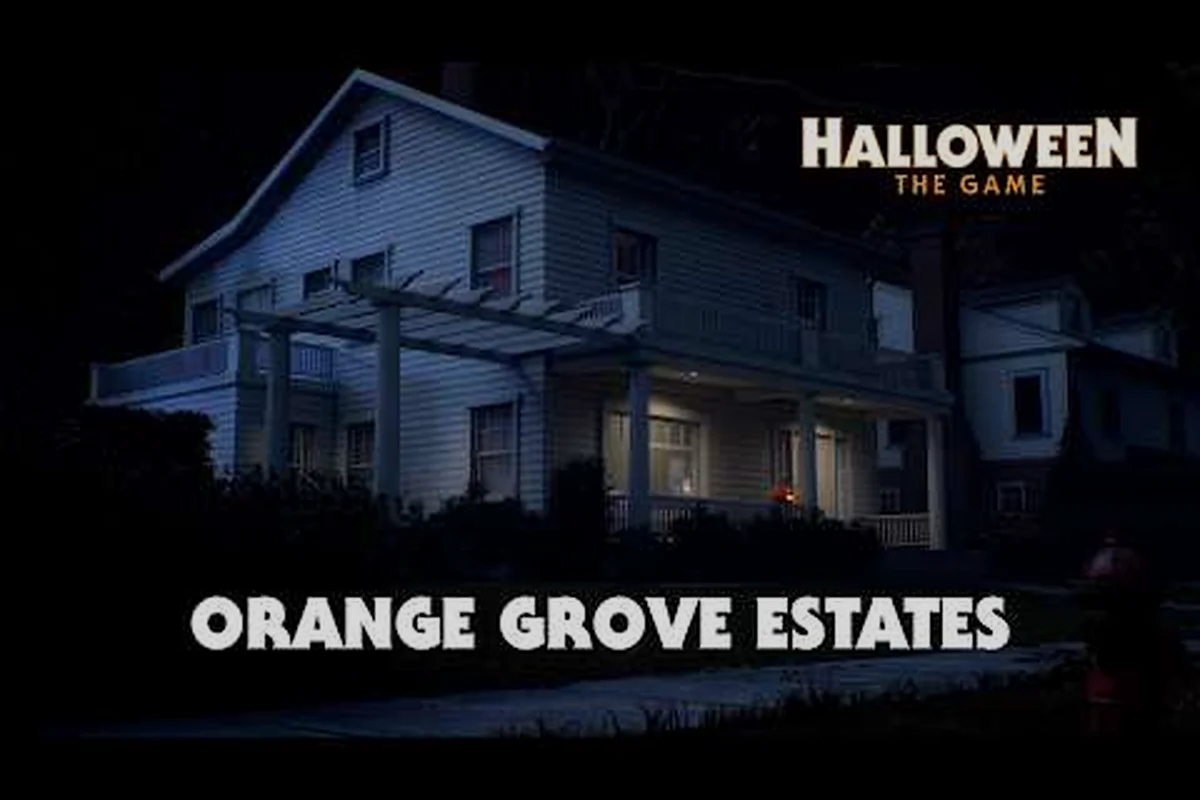
Haddonfield rewards players who treat the neighborhood as a living map rather than a series of disconnected streets, because every fence gap, porch shadow, and side yard creates a different outcome when Michael Myers starts closing distance. Halloween: The Game map tips matter immediately because a Hero who knows two reliable escape routes survives twice as long as one who reacts on instinct. This guide breaks down the full Haddonfield house map layout, the best hiding spots, patrol-route counters, and rotation logic so you stop losing chases to avoidable dead ends. Once you've internalized the layout and learned which routes stay viable under pressure, you can also refine your early-game positioning by reviewing the Halloween The Game Map Objectives so every rotation you commit to also feeds directly into your escape or objective progress.
Reading the Neighborhood Grid
| Landmark / Map Feature | Dynamic Effect | Strategic Use for Heroes | Strategic Use for Michael Myers |
|---|---|---|---|
| Streets of Haddonfield (1978 suburban layout) | Police patrol routes escalate over match time | Rotate through side streets to break line-of-sight; time phone calls between patrol waves | Cut off escape routes by tracking patrol timing and funneling Heroes into dead-end blocks |
| Houses (interior layouts) | Weapon spawns and phone locations vary per match | Loot houses early for weapons; memorize phone spawn rooms to reach them safely | Camp known phone locations or weapon spawn rooms to ambush looters |
| Escape routes | Dynamic map features shape each match | Prioritize routes with multiple hiding spots (bushes, fences, side yards) | Patrol high-traffic escape routes between objectives to intercept runners |
| Hiding spots | Neighborhood layout changes sightlines | Use low-visibility spots near landmarks to stall chases | Check hiding spots systematically; Heroes often cluster near objectives |
| Landmarks | In-Game Map video shows neighborhood layout | Use landmarks (street signs, corner houses) as callouts for teammates | Memorize landmark-to-landmark patrol loops to cover more ground |
The 1978 suburban setting in Halloween: The Game is built around a loose grid of residential blocks, narrow side streets, and backyards that connect through visual landmarks rather than painted waypoints. According to the official store page, the dynamic map features shape every match, which means hiding spot quality and route viability shift as police patrols escalate and objectives move. Players who memorize static callouts but ignore how the map state changes tend to get caught in the same two or three kill zones.
Landmark Anchors and Rotation Logic
You should anchor every rotation to a persistent landmark instead of a house number. The streetlight cluster near the schoolyard fence, the overgrown hedge line behind the corner house, and the blue sedan parked near the north curb are the kinds of visual anchors that let you reorient after a chase breaks line of sight. Because Michael Myers can pressure you from unexpected angles, building a mental path between three adjacent landmarks gives you a recovery option when your first plan collapses.
| Landmark Type | Rotation Value | Risk Level | Best Use Case |
|---|---|---|---|
| Fence gap near parked cars | High | Low | Breaking line of sight quickly |
| Open porch with low railing | Medium | Medium | Short-term hiding, needs exit |
| Shed corner with shadow cover | High | Medium | Mid-chase repositioning |
| Streetlight-lit sidewalk | Low | High | Avoid unless crossing fast |
| Hedge line along property edge | High | Low | Silent movement between yards |
Tracking Escalating Patrol Activity
Police patrol routes do not stay static, and community reports suggest that patrol density increases once certain objectives trigger. When patrol cars begin sweeping the south end of Haddonfield, the northern side-street cut-throughs become more valuable because they let you avoid open asphalt. A strong halloween the game map strategy treats patrol escalation as a cue to rotate early rather than waiting for the first siren to force a panic sprint.
Best Hiding Spots and When They Fail
Not every shadow is a safe spot, and one of the most common mistakes new Heroes make is treating a dark corner as permanent cover. The halloween the game hiding spots map meta is less about finding a perfect closet and more about understanding which spots work during different phases of a chase. Michael Myers players learn popular hiding spots quickly, so a spot that saves you in the first three minutes often becomes a trap in the late game.
High-Value Cover Spots
The strongest cover spots share three traits: multiple exit angles, limited silhouette exposure, and proximity to a landmark that lets you reorient after leaving. A bush line behind a fence offers less silhouette than a porch shadow, but it fails if the only exit pushes you into an open yard. Before committing to any spot, check that you have at least one secondary path that does not cross an open street.
-
Behind the hedgerow with a side-yard gap — works well against linear chases, fails when Myers approaches from the flank
-
Inside the shed with a back window — strong audio cover, but window exits are loud and can draw attention
-
Under the porch steps with a crawl gap — excellent silhouette break, requires patience to avoid early movement
-
Beside the blue sedan near the north curb — fast re-entry to street rotation, but exposed to headlight sweeps
-
In the tall grass behind the corner fence — solid mid-game cover, less reliable after patrol routes escalate
Spot Failure Triggers
Hiding spots fail for predictable reasons. Loud movement, repeated use, and objective pressure are the three biggest triggers, according to community data. If Michael Myers checks a spot once and you escape, assume he will check it again the next time he loses you in that area. Rotate your cover choices across different Haddonfield locations in Halloween: The Game so you do not build a predictable pattern that an experienced killer exploits.
Route Planning and Escape Lanes
A winning halloween the game map layout approach treats every street as part of a loop rather than a dead-end corridor. The most reliable escape lanes connect at least two landmark anchors and avoid long stretches of open pavement where Michael Myers can close distance in a straight line. When you plan a route, identify the choke point first, because that is where most chases end.
Building a Three-Point Rotation
The best rotations use a three-point triangle: a safe anchor, a transition point, and an exit lane. For example, move from the shed corner to the hedge line, then cut through the fence gap toward the next block. If Michael Myers predicts the first transition, the second gives you enough angle to break tracking. This structure keeps your movement unpredictable while still giving you a clear destination.
| Route Segment | Anchor Point | Exit Quality | Weakness |
|---|---|---|---|
| North block loop | Blue sedan to fence gap | High | Patrol sweep near curb |
| East yard chain | Shed corner to hedge line | High | Narrow side-yard gap |
| South street cut | Porch shadow to schoolyard fence | Medium | Open crossing at midpoint |
| West perimeter | Corner house to tall grass | Medium | Long sightline from street |
| Mid-map zigzag | Streetlight cluster to backyard gap | High | Requires landmark memory |
Breaking Chase Momentum
The key to losing Michael Myers is not pure speed but angle changes. Every time you turn a corner or pass through a fence gap, you force him to adjust his camera and reacquire your position. Because his movement kit rewards straight-line pressure, a Hero who strings together three sharp angle changes in under ten seconds creates a real chance to slip into cover. Practice halloween the game map tips on low-pressure objectives before you try risky multi-turn escapes during high-stakes moments.
House Interior Layouts and Door Logic
Houses in Haddonfield are not uniform, but they share enough structural language that you can learn to read them quickly. Most homes have a front entrance, a side door, and at least one back exit that connects to a yard or alley. The halloween the game house map pattern rewards Heroes who enter with an exit plan already chosen, because indoor chases compress space and reduce your reaction time.
Room-to-Room Flow
The strongest indoor flow moves through connected rooms rather than dead-end bedrooms. A kitchen with two exits is more valuable than a bathroom with one, even if the bathroom offers better visual cover. When you enter a house, scan for door lines and window access before you commit to a hiding spot, because the best indoor cover means nothing if Michael Myers can body-block the only exit.
Second-Story Risk Management
Second stories are high-risk, high-reward in Halloween: The Game. A second-floor window can create a quick escape, but it also locks you into a falling animation that leaves you vulnerable if Michael Myers is close behind. Community reports suggest that staircase baiting works better than window escapes in most situations, because you can force a whiff and slip past while he recovers. Treat upper floors as a temporary repositioning tool, not a permanent safe zone.
Objective-Driven Map Rotation
Objectives pull Heroes toward specific parts of the map, and the best halloween the game map strategy anticipates those pulls before they happen. When a phone location spawns on the south end, the surrounding streets become high-traffic zones where both Heroes and Michael Myers converge. Instead of moving directly toward the objective, approach from an off-angle that lets you scout the area before committing.
Early, Mid, and Late Map Phases
The map plays differently in each phase of a match. Early on, Heroes spread out and objectives feel scattered, so quiet movement and landmark anchoring matter most. Mid-game is when patrol escalation and objective clustering force more cross-street rotations. Late-game pressure often comes down to who controls the best map knowledge around the final objective, because Michael Myers knows exactly where Heroes need to go.
-
Early phase — spread out, learn patrol rhythm, avoid unnecessary sprint noise
-
Mid phase — rotate between two safe zones, keep an exit lane open at all times
-
Late phase — pre-position near objectives, use cover to scout before committing
-
All phases — track which hiding spots you have already used, rotate to fresh cover
Frequently Asked Questions
What is the best map for Heroes in Halloween: The Game?
Haddonfield is currently the primary map, and its suburban grid rewards Heroes who learn landmark-based rotations over raw sprinting. The best approach is not a specific map but a flexible route plan that works across the neighborhood's changing patrol density and objective placement.
Where are the strongest hiding spots on the Haddonfield house map?
The most reliable spots are behind hedgerows with side-yard gaps, inside sheds with back windows, and under porch steps with crawl gaps. Each spot has a failure trigger, so rotate your cover choices and avoid repeating the same hiding spot in one match.
How do police patrol routes affect map strategy?
Patrol routes escalate as objectives progress, pushing Heroes toward side-street cut-throughs and away from open asphalt. Treat patrol escalation as a cue to rotate early rather than waiting for a siren to force a panic sprint across an exposed road.
Should I hide in houses or stay outside?
Both work, but houses require an exit plan before entry. A kitchen with two exits beats a bathroom with one, even if the bathroom offers better visual cover. Use second-story windows as temporary escapes, not permanent safe zones, because the falling animation leaves you vulnerable.
How can I break Michael Myers chase momentum?
Use angle changes rather than pure speed. Every corner turn or fence gap forces Michael Myers to adjust his camera, and three sharp turns in under ten seconds create a real chance to slip into cover and reset the chase.