
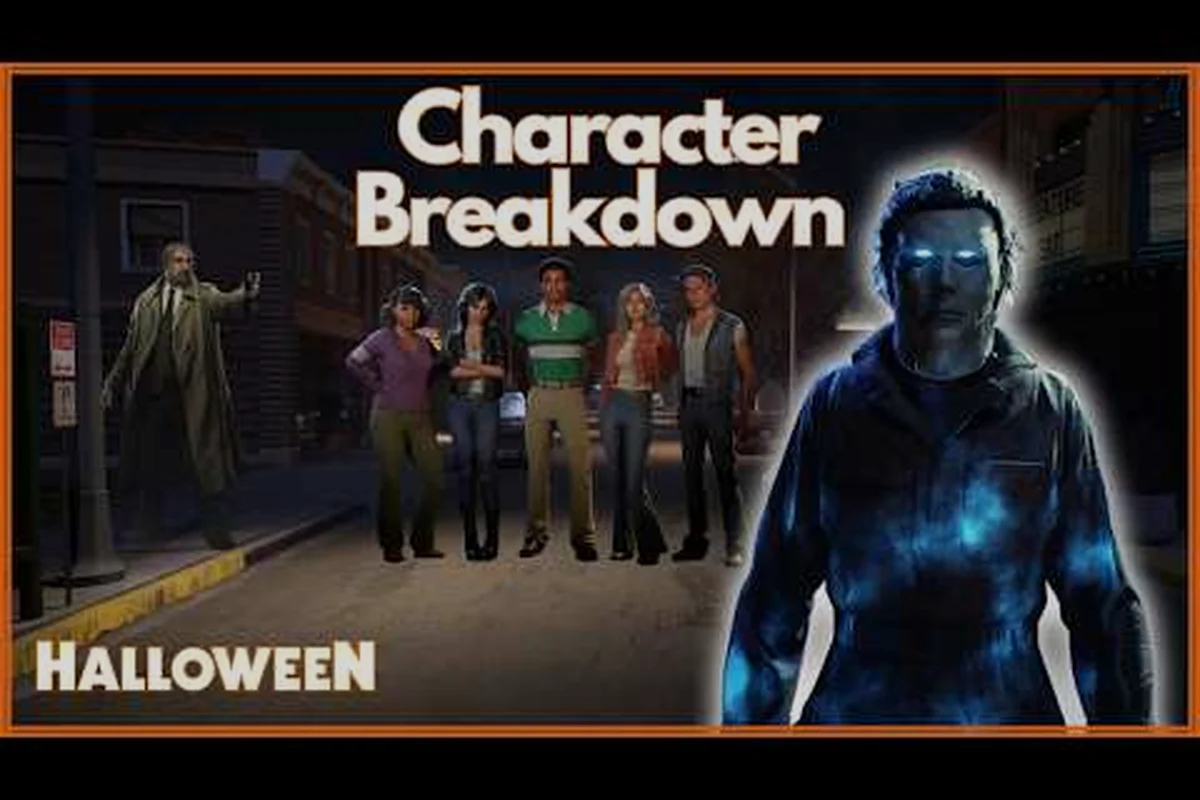
Halloween: The Game drops players into the sleepy streets of Haddonfield, Illinois, where the nightmare never ends. Developed by IllFonic and released on Steam, this 1v4 asymmetrical horror experience captures the tension of John Carpenter's iconic slasher with a cast of characters that each play distinctly different roles in every match. Whether you prefer stalking your prey as the relentless Michael Myers or coordinating escape attempts alongside fellow survivors, understanding every Halloween: The Game character in the roster is essential for mastering this chilling multiplayer sandbox. This comprehensive guide breaks down every playable hero, NPC resident, and the legendary Shape himself so you know exactly who you're controlling and why it matters.
Players can review the full roster of survivors and their unique abilities on the official Steam store page for Halloween: The Game, which lists the available characters along with their individual attributes.
Michael Myers: The Shape Stalks Haddonfield
Michael Myers stands as the singular antagonist in Halloween: The Game, embodying the terror that has defined the franchise since 1978. Unlike traditional asymmetric horror where the killer changes between matches, Michael Myers is a constant presence—he is the game. The Shape operates on a unique power system that builds over time, allowing him to stalk the neighborhood and grow increasingly lethal as each match progresses. His movement feels deliberate and predatory, not the frenzied rushing of typical slasher villains, which makes every encounter genuinely unsettling for Heroes who spot him walking methodically down a suburban sidewalk. Players controlling Michael Myers experience what makes the franchise so enduring: the slow realization that something terrible is coming for you, and there is nothing you can do to stop it.
The Shape's abilities center around three core mechanics that define his hunting playstyle. His Terrorize ability allows him to mark and track specific Heroes, leaving them with a persistent indicator showing his direction even when line of sight is broken—this creates psychological pressure that forces marked survivors into difficult decisions about whether to stay together or split up. Michael's Hunt mechanic activates when he has line of sight on a Hero, with the duration of unbroken sight increasing his lunge range and attack damage significantly. Patient Myers players who stalk from a distance become exponentially more dangerous as the match advances, rewarding thoughtful play over reckless aggression. The Detection radius expands as the Shape spends more time hunting, eventually making stealth nearly impossible for Heroes trying to sneak between objectives.
What truly separates Michael Myers from other horror game killers is his Weapon Progression system tied directly to his Stalk mechanic. When the Shape stalks a specific Hero without breaking contact, he gradually upgrades through three weapon tiers: his bare hands, a kitchen knife found in houses, and ultimately the iconic large kitchen knife that deals devastating damage. Each progression stage increases both the lethality and visual intimidation factor, with the final tier representing the unstoppable force that fans recognize from the films. This creates matches where early-game encounters feel dangerous but survivable, while late-game Michael Myers becomes a genuine threat that demands coordinated Hero responses. Mastering when to stalk and when to aggressively pursue separates average Shape players from genuinely terrifying Michaels who hunt with the patience of a predator.
Heroes of Haddonfield: Survivors United
The Heroes of Haddonfield represent the counterplay to Michael Myers, forming a team of four players who must work together to survive and escape. Unlike passive victims in other horror games, these characters have agency—they can fight back, call for help, set traps, and directly confront the Shape under the right circumstances. Each Hero brings unique abilities and attributes that influence how they contribute to the team's survival strategy, making character selection a meaningful tactical decision rather than arbitrary cosmetic choice. The Heroes of Haddonfield roster includes several characters drawn directly from the Halloween film universe, including Laurie Strode herself, creating an authentic connection to the source material that fans immediately recognize and appreciate.
Laurie Strode stands as the most recognizable Hero in Halloween: The Game, appearing as the franchise's ultimate final girl who has spent decades preparing for Michael's inevitable return. Her character abilities reflect this preparedness, granting bonuses when operating near Objectives she has previously visited and enhanced awareness of Michael's presence within her vicinity. Experienced Laurie players develop deep map knowledge that lets them predict Michael's patrol patterns and position themselves advantageously for team coordination. Her storyline connection to Michael Myers makes every encounter with the Shape feel personal and narratively significant, elevating the gameplay tension beyond simple survival mechanics into an authentic recreation of their legendary rivalry.
Beyond the main cast, the Heroes roster includes supporting characters drawn from various Halloween media adaptations. Jordan Davies appears as a younger, more athletic Hero who excels at quick escapes and navigating the complex terrain of suburban Haddonfield. Annie Brackett represents a more defensive option, with abilities centered around helping teammates and setting up defensive positions rather than personal survival focus. Tommy Doyle rounds out the playable roster as a child character with unique advantages in stealth and hiding, being smaller and harder for Michael Myers to detect in tight spaces. Each of these Heroes of Haddonfield characters contributes differently to team dynamics, rewarding players who understand when to use each character's strengths for maximum effectiveness.
The Heroes of Haddonfield operate on a shared objective system where team coordination determines survival chances. Players must repair generators, locate keys, unlock doors, and ultimately reach escape points while avoiding or confronting Michael Myers at every step. Communication between Heroes is absolutely essential—calling out Michael's location, sharing information about completed objectives, and coordinating who should focus on what tasks separates winning teams from scattered victims. The halloween the game character list for Heroes shows a deliberately diverse roster designed to encourage different playstyles and strategic approaches rather than forcing everyone into identical roles.
NPC Residents of Haddonfield
| Character Category | Universe Origin | Behavior Traits | Police Interaction |
|---|---|---|---|
| Michael Myers | Film canon (1978) | Stalks Haddonfield streets, attacks Heroes | N/A (predator role) |
| Laurie Strode | Film canon | Hero of Haddonfield, fights back, contacts police | Can escalate patrol power |
| Jordan Davies | Film canon | Hero of Haddonfield, flees/fights | Can call police response |
| Annie Brackett | Film canon | Hero of Haddonfield, flees/fights | Police patrol grows powerful when contacted |
| Tommy Doyle | Film canon | NPC resident, flees from threats | Automatically calls police when threatened |
| Dr. Loomis | Film canon | Supporting character reference | Appears in story context |
The streets of Haddonfield would feel empty without the NPC residents who populate the neighborhood and react dynamically to the horrors unfolding around them. These non-playable characters flee from danger, fight back when cornered, and crucially—call the police when they spot Michael Myers or witness attacks on Heroes. This creates an emergent gameplay layer where the environment itself responds to the asymmetric match, adding unpredictability that keeps both sides on their toes throughout every game. The presence of NPC residents transforms Haddonfield from a static hunting ground into a living neighborhood where the Shape's actions have consequences that echo throughout the match.
Police involvement represents one of the most strategically significant NPC behaviors in Halloween: The Game. When residents spot Michael Myers stalking Heroes or observe violent encounters, they trigger police response that grows increasingly aggressive as matches progress. Early-game police presence consists of occasional patrol cars that Myers can easily evade, but accumulated NPC reports create escalating police pressure that eventually makes certain areas extremely dangerous for the Shape to occupy. Skilled Hero players learn to position themselves near NPCs during Michael encounters, leveraging resident awareness to trigger police summons that force Myers away from critical objective areas. This mechanic encourages Heroes to engage with the environment rather than simply hiding, rewarding strategic positioning over passive survival.
NPC resident AI exhibits three distinct behavioral patterns that influence gameplay differently depending on circumstances. The Flee behavior dominates when NPCs detect Michael Myers at close range, causing them to run away in panic and potentially alert nearby Heroes to the Shape's location through their screaming. The Fight Back response activates when NPCs are cornered or surprised, giving them brief moments of courage where they actively resist Michael's presence through distraction and obstruction. The Call Police behavior represents the most strategically valuable NPC reaction, with residents who escape successfully immediately reporting to authorities, directly contributing to the police pressure escalation system. Understanding these behavioral patterns helps both sides—Heroes can bait Michael into revealing himself through NPC encounters, while Myers players learn to neutralize witnesses quickly or operate in areas with fewer residents.
The halloween the game npc characters serve narrative purposes beyond pure mechanics, reinforcing Haddonfield as a genuine community rather than just a murder playground. These unnamed residents have their own routines, schedules, and reactions that make the town feel lived-in and authentic. Community reports from players highlight how NPC behavior creates emergent horror moments—characters screaming as they flee past Heroes, police cars arriving at crisis points, and the tension of wondering whether an NPC's presence will help or doom your escape attempt. This dynamic population system ensures that no two matches feel identical, even on familiar maps.
Character Abilities and Role Breakdown
Understanding the specific abilities and role classifications of every Halloween: The Game character helps players select appropriate options for their preferred playstyle and team composition needs. Each character falls into one of three primary roles: Strikers who excel at direct confrontation and distraction, Technicians who handle objective progression and item interaction, and Supporters who assist teammates and provide information gathering capabilities. This role system creates meaningful character diversity beyond cosmetic differences, encouraging players to consider team composition when selecting their Hero for each match.
| Character | Role | Primary Ability | Secondary Ability | Difficulty |
|---|---|---|---|---|
| Michael Myers | Antagonist | Terrorize (Track) | Hunt (Stalk Power) | Expert |
| Laurie Strode | Striker | Objective Memory | Danger Sense | Beginner |
| Jordan Davies | Striker | Sprint Boost | Quick Access | Intermediate |
| Annie Brackett | Supporter | Team Buff | Defensive Setup | Intermediate |
| Tommy Doyle | Technician | Stealth Master | Hide Bonus | Beginner |
| Dr. Loomis (NPC) | Information | Police Summon | Distraction | N/A |
The Striker role characters like Laurie Strode and Jordan Davies excel at high-risk, high-reward gameplay that involves direct engagement with Michael Myers when necessary. These Heroes typically have abilities that enhance their mobility, combat effectiveness, or distraction capabilities, making them valuable for drawing Michael's attention away from teammates working on objectives. Striker players must understand when to engage and when to retreat, as overextending against a well-stalked Michael Myers almost guarantees elimination. The aggressive playstyle rewards confident players who can bait Myers into unfavorable positions while maintaining enough escape options to survive encounters.
Technician characters like Tommy Doyle specialize in the puzzle-solving and objective-clearing aspects of Halloween: The Game, with abilities that accelerate generator repairs, lockpicking speed, and item collection efficiency. These Heroes might lack combat prowess but compensate through accelerated objective completion that gives their team more time to reach escape conditions before Michael Myers reaches full power. Technician players often work best in coordinated teams where their reduced survivability is compensated by nearby Support characters who can provide assistance when Michael inevitably hunts them down. The michael myers abilities explained guide provides detailed counter-strategies for each role, helping Technicians understand exactly what threats they face during vulnerable objective work.
Alternate Outfits and Character Customization
Alternate outfits and visual customization options add significant replay value and personal expression to Halloween: The Game's character roster. IllFonic has released official videos showcasing various costume options for both Michael Myers and the Heroes of Haddonfield, allowing players to personalize their experience beyond default appearances. These cosmetic variations range from subtle color adjustments to entirely different outfit interpretations inspired by various Halloween film installments, giving dedicated fans plenty of options to showcase their franchise knowledge and personal preferences through their character's appearance.
Michael Myers alternate outfits include variations that reference different eras of the franchise's extensive history. Players can select from the classic 1978 appearance that started it all, modern rebooted interpretations, and even special event costumes that appear during limited-time celebrations. Each Myers outfit maintains the character's iconic silhouette while providing subtle visual distinctions that dedicated fans immediately recognize. The Shape's large knife similarly receives cosmetic variants, with different textures and styles that don't affect gameplay but significantly impact the psychological intimidation factor when stalking unsuspecting Heroes.
Hero customization options expand significantly beyond Michael Myers, with each playable character receiving multiple outfit variations that reflect different moments from the Halloween universe. Laurie Strode players can choose between her teenage appearance from the original film, her adult warrior persona from later installments, or special costumes that blend elements from various timelines. Jordan Davies, Annie Brackett, and Tommy Doyle each receive similar treatment with multiple costume options that reference their appearances in different Halloween media adaptations. Community discussions on the official Discord highlight which outfits prove most popular and whether certain cosmetics provide psychological advantages through their visual design and recognition factor.
Maps and Character Positioning Strategy
The maps and positioning strategy in Halloween: The Game heavily influence which character abilities prove most valuable in any given match. Haddonfield's suburban layout features houses with varying layouts, backyard spaces with fencing and hiding spots, street sections with parked cars and bushes, and key objective locations that all Heroes must eventually access for escape. Understanding how each character's abilities interact with map geography helps teams develop effective positioning strategies that maximize their survival chances against an optimally playing Michael Myers.
| Map Area | Strategic Value | Recommended Characters | Risk Level |
|---|---|---|---|
| Residential Houses | Generator Objectives | Technicians | High |
| Street Perimeter | Escape Routes | Strikers | Medium |
| Backyard Fences | Hiding/Stealth | Tommy Doyle | Low |
| Police Stations | Safe Zones | Supporters | Very Low |
| Haddonfield Square | Central Hub | All Characters | Variable |
Residential houses contain the generator objectives that Heroes must repair to power escape mechanisms, making these interior spaces critical battlegrounds where matches are often decided. Technician characters excel in these environments due to their accelerated interaction speeds, but their vulnerability during extended repair sequences makes protective positioning essential. Striker teammates should patrol nearby hallways and entry points, using their enhanced mobility to respond quickly if Michael Myers breaches the house during vulnerable repair phases. The complex room layouts of Haddonfield's homes provide both cover opportunities and deadly dead-ends that reward map knowledge over reactive play.
The street perimeter and escape route positioning becomes increasingly important as matches progress and Michael Myers' stalk power accumulates. Experienced Heroes learn to maintain awareness of multiple escape paths from any position, never committing fully to objective work without viable retreat options. The halloween the game maps guide provides detailed breakdowns of optimal positioning for each character type across every significant map location, helping newer players develop the spatial awareness that separates survivors from victims. Police presence patterns should influence positioning decisions throughout matches, with Heroes timing their movements to take advantage of police harassment that forces Michael Myers away from pursuit.
Character Selection Tips for New Players
Character selection strategy for newcomers to Halloween: The Game should prioritize simplicity and team contribution over flashy abilities that require advanced coordination to execute effectively. The halloween the game character list presents several options that serve as excellent entry points for players still learning match flow and Michael Myers' threat patterns. Choosing beginner-friendly characters during your initial hours allows you to focus on understanding core mechanics rather than worrying about character-specific ability management that might complicate your learning process.
Tommy Doyle represents the strongest recommendation for first-time Heroes due to his intuitive stealth bonuses and forgiving hitbox that makes hiding significantly more viable than for adult characters. His reduced visibility when crouched or stationary allows new players to survive encounters that would eliminate less cautious players, building confidence while developing essential awareness skills. Tommy Doyle players should focus on learning map layout through careful exploration, identifying hiding spots and escape routes before attempting more ambitious objective work that requires sustained attention and positioning discipline.
Laurie Strode serves as the second recommended option for newer players who want to engage more actively with match objectives rather than relying primarily on stealth survival. Her Objective Memory ability provides passive bonuses that reward returning to previously visited locations, encouraging new players to develop systematic movement patterns that naturally build map familiarity over time. Laurie players should prioritize generator completion and key collection during early matches, using her moderate mobility to reposition quickly if Michael Myers approaches during vulnerable work sequences. The character's recognizable status and narrative significance make playing as Laurie particularly satisfying for Halloween franchise fans who have waited years for an authentic multiplayer adaptation of their favorite horror story.
Halloween: The Game on Steam offers additional character information and community resources that help new players understand roster dynamics beyond what any guide can fully capture. The official Discord community provides real-time advice, team formation assistance, and character-specific tips from experienced players who have mastered each option's unique playstyle. Engaging with community resources accelerates your learning curve significantly compared to isolated practice, as veteran players can explain nuances that aren't immediately apparent from gameplay observation alone.
Frequently Asked Questions
Which character is best for beginners in Halloween: The Game?
Tommy Doyle offers the most forgiving introduction to Halloween: The Game mechanics due to his enhanced stealth capabilities and smaller hitbox that makes hiding significantly easier than with other Heroes of Haddonfield characters. His abilities support passive playstyles that prioritize survival over aggressive objective completion, allowing new players to focus on learning map layouts and Michael Myers' behavior patterns without the pressure of high-risk positioning decisions. Laurie Strode serves as an excellent alternative for beginners who prefer more active participation, with her Objective Memory ability providing helpful bonuses that reward systematic exploration and familiarization with key locations across Haddonfield's various maps.
How many playable characters are in Halloween: The Game?
The playable character roster includes Michael Myers as the antagonist plus five Heroes of Haddonfield: Laurie Strode, Jordan Davies, Annie Brackett, Tommy Doyle, and various NPC residents who serve supporting roles in match dynamics. Beyond the playable roster, countless unnamed NPC residents populate Haddonfield's streets with dynamic flee, fight, and police summon behaviors that significantly influence match outcomes through their reactive AI systems. IllFonic has indicated potential future character additions through seasonal updates and expansion content, which would expand the current roster significantly over time based on community demand and franchise source material availability.
What happens when NPCs call the police in Halloween: The Game?
When NPC residents successfully spot Michael Myers or witness violent encounters between the Shape and Heroes of Haddonfield, they immediately trigger police response protocols that escalate throughout each match. Accumulated police reports create increasingly aggressive patrol patterns that eventually make certain areas extremely dangerous for Michael Myers to occupy, forcing the Shape to either evade authorities or eliminate Heroes under significant environmental pressure. This police escalation system rewards Heroes who position themselves near NPCs during Michael encounters, leveraging environmental awareness to generate helpful distractions that buy crucial seconds for escape attempts or objective completion during critical match phases.