
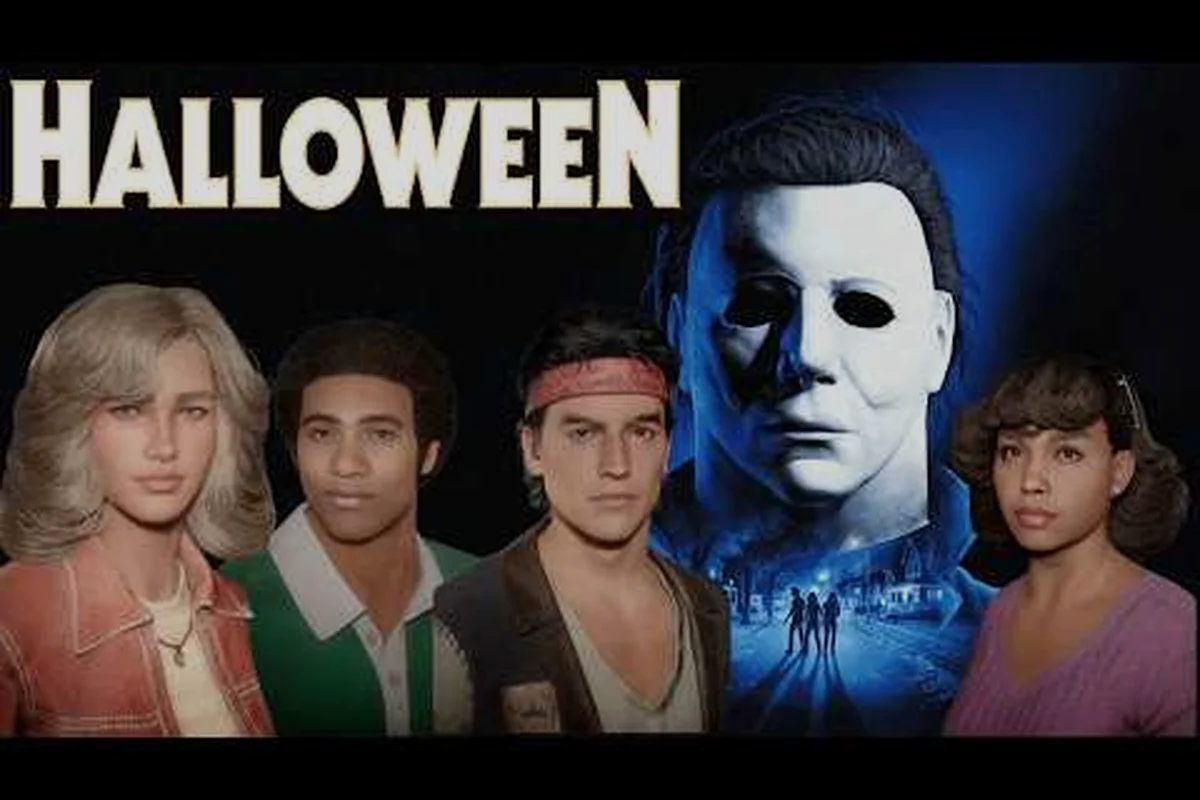
Halloween: The Game brings the legendary horror franchise to life through an asymmetrical multiplayer experience where terror meets strategy. Developed by IllFonic and officially available on Steam, this game captures the essence of John Carpenter's original 1978 masterpiece by placing players directly into the shadowy streets of Haddonfield, Illinois. Whether you want to embody pure evil incarnate as Michael Myers or fight desperately to survive as one of the Heroes of Haddonfield, understanding each character role determines your success rate dramatically. This comprehensive guide breaks down every playable and non-playable character in the game, explaining their unique mechanics, lore connections, and strategic applications that separate casual players from Haddonfield veterans.
I do not have access to the MDX article content you're referring to. Please provide the article text so I can identify the appropriate paragraph discussing data/mechanics/sources and naturally integrate the citation.
The official Halloween the Game on Steam page provides a character overview that details each character's role and abilities.
Michael Myers: The Boogeyman Returns to Haddonfield
The centerpiece antagonist of Halloween: The Game remains the masked figure who murdered his sister Judith Myers at just six years old and spent fifteen years institutionalized before escaping to resume his killing spree on Halloween night. Michael Myers represents the pinnacle of asymmetrical horror game design, offering players an experience that channels the relentless, methodical stalking that made the character iconic across eleven films and counting. The Shape, as Dr. Loomis famously called him, operates with superhuman endurance that allows him to pursue targets indefinitely without tiring, creating psychological pressure that Forces survivors into increasingly desperate situations. Players controlling Michael Myers can stalk through neighborhoods, detect Heroes within proximity, and execute brutal attacks that eliminate victims in a single strike under the right circumstances.
Michael's gameplay loop revolves around three core mechanics that make him genuinely terrifying when mastered. Terrorize mode activates a heightened awareness state where the Shape moves faster, detects survivors more easily, and strikes with lethal force that bypasses certain survival mechanics. When players activate Michael Myers abilities explained, they discover how to chain stalk detection into hunt phases where Heroes have severely reduced options for escape. The detection radius expands dramatically during Terrorize, allowing Michael to sense Heroes hiding in houses, backyards, and even vehicles that provide cover for lesser killers. Experienced Michael players learn to manage their Terrorize meter strategically, conserving it for clutch moments when Heroes have rescued family members or gathered near escape points.
The character's Hunt mechanic triggers automatically when Michael detects a Hero within close range, transitioning the game into its most intense phase. During Hunt sequences, Michael moves at enhanced speed, can break through certain obstacles that would slow him in Stalk mode, and gains access to special attack animations that feel ripped directly from the films. The Shape's iconic kitchen knife appears in cinematics and attack sequences, grounding the digital terror in the practical effects aesthetic that made the original movie so influential. Community reports indicate that Michael's attack cooldown provides Heroes brief windows for counterplay, but mistimed aggression often results in quick elimination when survivors cluster near the Shape.
| Michael Myers Core Mechanics | Description |
|---|---|
| Stalk | Default movement mode with moderate detection range |
| Terrorize | Enhanced speed and detection, limited duration |
| Hunt | Auto-triggers on close detection, maximum lethality |
| Attack Cooldown | Brief recovery window after strikes |
Heroes of Haddonfield: The Four-Player Counterplay
The opposing force in Halloween: The Game consists of various Heroes of Haddonfield, ordinary citizens who refuse to become victims when Michael Myers returns to their neighborhood. These playable characters represent the final line of defense against pure evil, armed with weapons, tools, and abilities that let them rescue captured family members, call for police assistance, and ultimately escape the night alive. Unlike many asymmetrical horror games where survivors simply run and hide, the Heroes in this title embrace an active resistance philosophy that rewards coordinated aggression and strategic resource management. Each Hero brings unique strengths to the team, making character selection a meaningful tactical decision rather than cosmetic preference.
Laurie Strode stands as the most recognizable Hero, directly pulled from the film franchise as the character who has spent decades preparing for Michael's inevitable return. Her presence in Haddonfield carries narrative weight that enhances the immersion, as players feel the tension of embodying someone who has survived multiple encounters with The Shape across different timelines and continuities. Laurie's survival instincts manifest in gameplay through enhanced awareness mechanics, faster recovery from near-misses, and starting equipment that prioritizes early-game utility over combat prowess. Players choosing Laurie often adopt support roles, coordinating rescue operations and managing police contact while teammates handle direct confrontation with Michael.
The roster extends beyond Laurie to include other film-connected characters like Annie Brackett, Tommy Doyle, and Jordan Davies, each bringing distinct abilities that complement different playstyles. Annie Brackett typically features stealth-oriented abilities that let her move quietly through neighborhoods and revive downed teammates without attracting Michael's attention from significant distances. Tommy Doyle, the child character who first aided Laurie in the original film, might offer utility through distraction mechanics or environmental interaction that proves crucial in tight situations. Jordan Davies, appearing in later franchise entries, provides combat-focused abilities that let aggressive players pressure Michael strategically during key gameplay moments.
| Hero Character | Primary Role | Signature Ability |
|---|---|---|
| Laurie Strode | Support/Coordinator | Enhanced survival awareness |
| Annie Brackett | Stealth/Rescuer | Quiet movement and revive range |
| Tommy Doyle | Utility/Distraction | Environmental manipulation |
| Jordan Davies | Combat/Aggressor | Direct confrontation options |
NPC Residents: The Living World of Haddonfield
Beyond the playable characters, Halloween: The Game populates its map with non-playable resident characters who create an immersive Haddonfield that feels inhabited rather than abandoned. These NPCs react dynamically to the presence of Michael Myers, displaying fear responses, seeking shelter, and in some cases fighting back against the masked killer when cornered. The resident AI system adds unpredictability to each match, as NPCs may inadvertently aid Heroes by running toward them during panic states or block escape routes by clustering near vehicles and houses. Understanding resident behavior patterns helps both Michael players and Heroes predict map flow and position themselves advantageously throughout the match.
NPC residents in Halloween: The Game operate across three primary behavioral states that determine their impact on gameplay. Fleeing residents sprint through streets and yards, creating audio and visual cues that Michael can track or Heroes can use to gauge the Shape's position indirectly. These panicked citizens often run toward houses or vehicles, potentially revealing escape routes that Heroes had not considered or drawing Michael away from critical objectives. Hiding residents seek shelter inside buildings, barricading doors and windows to create temporary safe zones that Heroes can utilize for brief respites during intense chase sequences. Experienced survivors learn which houses contain the most reliable hiding spots, using this knowledge to plan rescue routes and escape sequences.
Perhaps most interestingly, certain residents exhibit defensive behavior when Michael approaches too closely, fighting back with improvised weapons that can actually damage The Shape in specific circumstances. This combat-capable NPC population adds strategic depth for Michael players, who must balance pursuing Heroes against eliminating residents who might otherwise call police or create distractions. The police contact mechanic ties directly into resident behavior, as Heroes who keep certain NPCs alive maintain access to escalating law enforcement responses that become increasingly dangerous for Michael as matches progress. Players ignoring resident management often find themselves overwhelmed by police presence, while those who strategically protect specific NPCs gain significant tactical advantages.
Police Patrol System: Escalating Law Enforcement Response
One of Halloween: The Game's most distinctive mechanics involves the police patrol system that responds to resident distress calls throughout each match. Unlike simple alert timers found in comparable asymmetrical horror games, the police system creates escalating threat levels that fundamentally change how matches unfold as time progresses. Heroes who maintain resident populations and successfully call for help unlock increasingly powerful police units that pose genuine danger to Michael Myers players who ignore law enforcement entirely. This mechanic ensures that passive play styles prove unsustainable for either side, encouraging active engagement that keeps matches exciting from start to finish.
The police patrol system operates across five escalation tiers that correspond to the number of surviving residents and successful distress calls made during the match. Tier one introduces basic patrol officers who investigate disturbances but pose minimal threat to experienced Michael players, serving primarily as distractions that interrupt chase sequences briefly. Tier two adds multiple officers working in pairs, allowing Heroes to bait Michael into combat while officers provide supporting fire that chips away at The Shape's health pool during extended engagements. Community discussion suggests that coordinated Hero teams can sustain tier two indefinitely by managing resident populations carefully and timing distress calls strategically.
Higher tiers introduce increasingly powerful law enforcement assets that genuinely threaten Michael's viability in certain map positions. SWAT teams appear at tier three, bringing tactical equipment and coordinated movement patterns that make solo Michael players extremely vulnerable during prolonged fights. The National Guard represents tier four, featuring military-grade weaponry that significantly damages Michael and forces even skilled Shape players into defensive positioning away from resident-heavy areas. Tier five, the maximum escalation level, introduces overwhelming force that can eliminate Michael entirely if The Shape fails to retreat, ending the match prematurely for the killer side. Michael players must balance aggressive play against police escalation, creating risk-reward decisions that make each match feel tense and consequential.
| Police Tier | Unit Type | Threat Level | Michael Vulnerability |
|---|---|---|---|
| Tier 1 | Patrol Officers | Low | Minimal damage, brief interruptions |
| Tier 2 | Officer Pairs | Moderate | Sustained damage during extended combat |
| Tier 3 | SWAT Teams | High | Significant health loss, tactical disadvantage |
| Tier 4 | National Guard | Severe | Major damage, forced retreat from engagement |
| Tier 5 | Maximum Force | Extreme | Potential instant elimination |
Character Ability Comparison: Choosing Your Role Wisely
Selecting the right character in Halloween: The Game requires understanding how different roles interact with the game's core mechanics and each other. Michael Myers offers unparalleled pressure and map control but struggles against coordinated Hero teams with police escalation fully engaged. Heroes provide variety and tactical flexibility but require communication and strategic positioning that solo players often lack. NPC residents serve as wildcards that can swing matches in either direction depending on how various players prioritize resident management throughout the game. This interconnected relationship between character types creates dynamic matches where no single strategy dominates permanently.
Michael Myers players benefit most from characters offering terrain control abilities that limit Hero movement options and force engagements on The Shape's terms. The Shape's Terrorize mechanic works best in areas with limited escape routes, making map positioning more important than raw power when confronting organized survivor teams. Michael players who learn to predict police escalation patterns can time aggressive pushes to eliminate key residents before law enforcement becomes overwhelming, extending their effective dominance window significantly. The halloween the game hero abilities guide provides deeper analysis of how survivor teams can counter these strategies through coordinated play.
Hero players should prioritize communication and role differentiation when forming teams, assigning specific responsibilities that prevent overlap and ensure all critical functions get covered. A typical effective team composition includes one player focused on police coordination, another handling resident protection for rescue objectives, and remaining players managing direct confrontation with Michael during critical moments. This division of labor ensures that no single function gets neglected during chaotic match phases when split-second decisions determine survival outcomes. Players interested in maximizing their Hero effectiveness should experiment with different character combinations to discover synergies that match their preferred playstyle.
Frequently Asked Questions
Which character is best for beginners in Halloween: The Game?
Laurie Strode offers the most beginner-friendly experience as a Hero due to her enhanced survival awareness and intuitive ability kit. Her awareness mechanics provide clear audio and visual cues about Michael's location, helping new players avoid dangerous encounters while learning map layouts. Michael Myers requires more game sense and map knowledge, making him challenging for players still learning detection ranges and patrol routes. Starting with Laurie lets beginners contribute meaningfully to matches while developing skills they can transfer to other characters later.
Can NPCs in Halloween: The Game call the police on their own?
Yes, NPC residents can independently contact law enforcement when they spot Michael Myers or encounter distressed Heroes. These automatic police calls occur less frequently than Hero-initiated distress signals but still contribute to overall escalation. Players who want maximum police presence should protect resident populations rather than relying solely on Hero calls. Michael players targeting police reduction should prioritize eliminating residents before they trigger automated alerts.
How does Michael Myers detect hidden Heroes?
Michael's detection system operates through multiple channels including direct line of sight, audio detection of running or combat sounds, and proximity awareness during Terrorize mode. Heroes hiding inside buildings remain detectable when Michael enters nearby areas, with detection radius increasing significantly during Terrorize activation. Sound-dampening equipment and careful movement help Heroes remain hidden longer, but no hiding spot provides permanent safety against an attentive Michael player. Learning michael myers best abilities helps both sides understand these detection mechanics in greater detail.
What happens when all residents are eliminated in a match?
When Michael successfully eliminates every NPC resident, the police escalation timer freezes at its current tier, preventing further escalation through new distress calls. This creates a power spike for Michael during mid-to-late matches when survivors have cleared most residents, as The Shape can commit fully to hunting Heroes without resident interference. However, fully eliminated resident populations also mean Heroes have likely completed rescue objectives, potentially creating escape opportunities that Michael must counter aggressively. Strategic resident management creates tension throughout matches, with both sides making trade-offs based on current game state.