
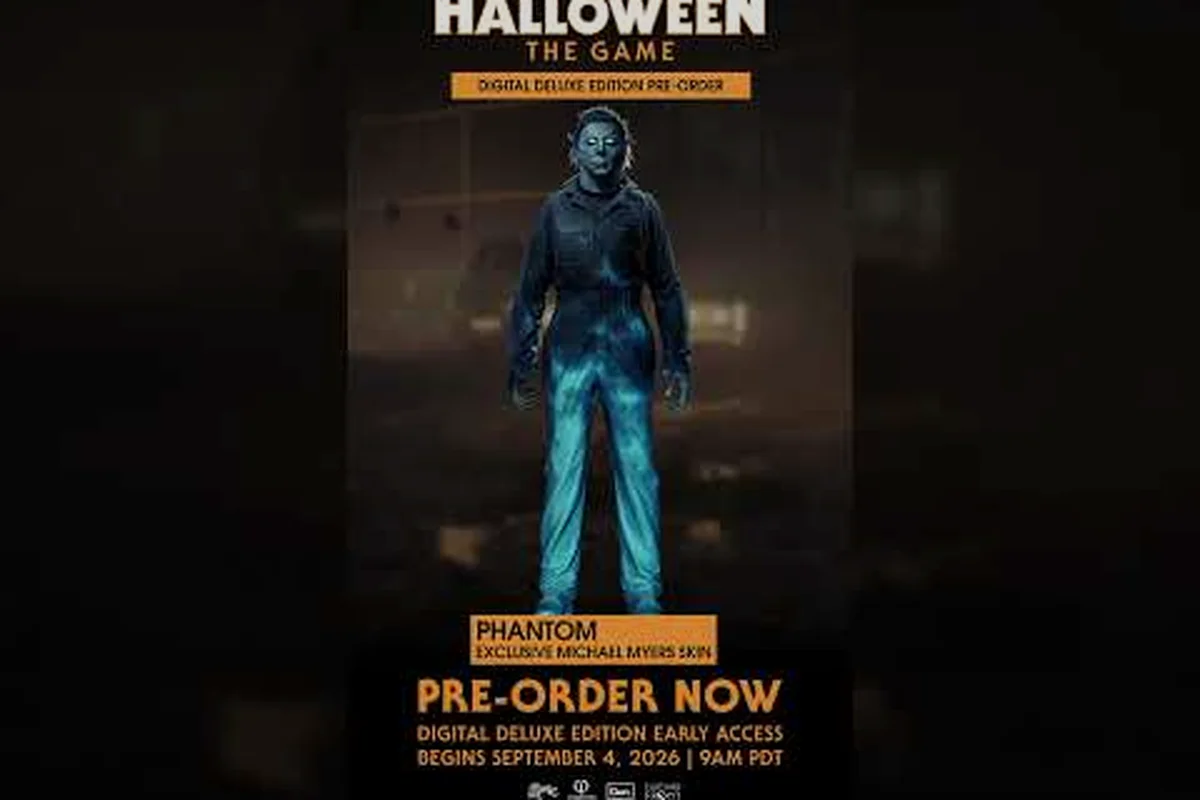
Halloween: The Game brings John Carpenter's legendary horror universe to life through an authentic cast of characters drawn directly from the film franchise. The Halloween: The Game on Steam showcases Michael Myers as the unstoppable Shape, matched against survivors who must outsmart, evade, and outlast the masked killer across the streets of Haddonfield. Understanding every character's role, abilities, and cinematic origins transforms your gameplay from chaotic running into strategic survival—or methodical hunting. This comprehensive cast breakdown covers each character type, their in-game functions, and the lore connections that make this asymmetrical horror experience feel like stepping inside the movies themselves. The strategic depth of matching survivor abilities against killer powers becomes clearer with our Halloween The Game Characters Explained breakdown of each role.
The Shape: Michael Myers as the Boogeyman
Michael Myers stands as the sole antagonist in Halloween: The Game, embodying the relentless evil that defined the original 1978 film and its countless sequels. The developers at IllFonic captured the character's iconic presence through meticulous attention to his signature white mask, deliberate movement style, and the overwhelming sense of dread he radiates throughout Haddonfield. Unlike typical asymmetrical horror games where the killer feels like a gameplay mechanic, Michael Myers feels like a force of nature—a walking nightmare that stalks its prey with patient, methodical precision. The Shape's ability to break windows, breach doors, and silence alarms creates an atmosphere where no hiding spot feels truly safe.
The Boogeyman's Unstoppable Nature represents the core identity of Michael Myers within the game. Players controlling The Shape experience power fantasy unlike any other horror title—the satisfaction of a slow, deliberate chase where the outcome feels inevitable from the moment victims notice your silhouette. Dr. Loomis famously described Michael as "pure evil" in the films, and the game mechanics reflect this by making him resistant to conventional obstacles. The Shape cannot be permanently stopped by barricades, cannot be distracted by decoys for long, and possesses the stamina to pursue prey across the entire map without tiring. This mechanical design reinforces why Michael Myers became the Boogeyman—a figure so dangerous that even seasoned survivors fear the sound of his breathing apparatus echoing through darkened streets.
Heroes of Haddonfield: Surviving Against Impossible Odds
| Video ID | Title | Duration | Content Focus |
|---|---|---|---|
| 0te3D2gJ7mc | Alternate Outfits | 0:32 | Hero character models |
| O7orLw2yz2Y | Laurie Being Watched | 0:06 | Laurie gameplay scenario |
The Heroes of Haddonfield represent the player-controlled survivors who must work together to escape Michael Myers' relentless pursuit. Each hero character draws from the original film cast or its sequel universe, creating an authentic connection to the movies that casual players and die-hard fans alike can appreciate. The five primary heroes—Laurie Strode, Dr. Sam Loomis, Jordan Davies, Annie Brackett, and Tommy Doyle—each bring unique abilities, strengths, and narrative relevance to the asymmetric gameplay. Playing as these characters means embodying the desperate struggle for survival that defined every confrontation with The Shape across four decades of horror cinema.
Laurie Strode occupies the role of protagonist, carrying the weight of being Michael Myers' original target and the woman who would spend decades preparing for their inevitable reunion. Her character abilities reflect her status as the ultimate survivor—a combination of stealth bonuses, hiding efficiency, and an innate sense for danger that other heroes lack. Players choosing Laurie experience heightened awareness of Michael's location, making her ideal for team coordination roles where calling out enemy positions saves lives. The developers clearly designed her kit to honor her legacy as the character who refused to break, even when facing pure evil in an isolated suburban neighborhood.
Dr. Sam Loomis brings a different skillset rooted in his obsessive study of Michael Myers throughout the film series. As the psychiatrist who spent decades trying to understand and stop his patient, Dr. Loomis possesses superior knowledge of The Shape's behavior patterns and patrol routes. His in-game abilities focus on prediction mechanics, allowing players to anticipate where Michael will strike next based on learned patterns from Haddonfield's geography. Experienced players recognize Dr. Loomis as the strategic commander archetype—a hero who sacrifices raw survival power for team-wide information advantages. His presence on a squad often means the difference between blind panic and coordinated escape attempts.
Jordan Davies represents the newer generation of Haddonfield residents, a character who becomes entangled in the terror through circumstances beyond his control. His abilities skew toward physical competence and problem-solving, making him valuable for objectives that require manipulating the environment. Players favoring aggressive playstyles appreciate Jordan's balanced statistics, which allow him to engage with threats directly rather than exclusively fleeing. His relative youth compared to other survivors gives him superior stamina for extended chases, a mechanical advantage that rewards aggressive risk-taking with survival potential.
Annie Brackett connects directly to the 1978 film's tragic events, serving as Laurie's friend and fellow babysitter who encounters Michael on that fateful night. Her character design emphasizes resourcefulness and situational awareness, abilities that allowed her to survive encounters with The Shape in the original timeline. Players controlling Annie benefit from enhanced interaction speeds, making her the optimal choice for quick item collection and objective completion. Her narrative significance cannot be overstated—she represents the potential for different outcomes, a chance to rewrite history where the people Michael targeted in the films might actually survive.
Tommy Doyle rounds out the hero roster as the child character from the original film, a survivor whose innocence contrasts sharply with the horror surrounding him. Tommy possesses unique abilities centered around distraction and misdirection, allowing younger players or those preferring support roles to contribute meaningfully to team survival. His small stature grants natural stealth bonuses, and his character abilities focus on alerting teammates to danger without directly engaging threats. The developers' choice to include Tommy honors his role as the child Michael targeted, while providing a mechanically distinct playstyle that rewards clever positioning over direct confrontation.
Haddonfield Resident Role Categories
| Role Category | Characters | Core Behavior | Objective |
|---|---|---|---|
| Killer | Michael Myers | Stalks Haddonfield streets | Eliminate Heroes |
| Hero | Laurie Strode, Jordan Davies, Annie Brackett | Flee, fight back, call police | Survive until dawn |
| NPC Resident | Tommy Doyle | Flees from danger | Evade Killer |
| Support | Dr. Loomis | Calls police | Notify authorities |
Beyond the player-controlled heroes, Halloween: The Game populates Haddonfield with non-player character residents who react dynamically to Michael Myers' presence throughout matches. These NPCs serve multiple gameplay functions—providing atmosphere, creating obstacles for both sides, and representing the broader community terrorized by The Shape. The inclusion of these Haddonfield residents transforms the game from an isolated chase scenario into an immersive horror sandbox where the entire neighborhood feels alive with fear. Official gameplay footage demonstrates how these characters flee in terror, fight back with improvised weapons, or desperately attempt to contact law enforcement when they spot the masked killer stalking their streets.
The NPC flee behavior represents the most common interaction pattern, where residents immediately panic upon detecting Michael and sprint away in random directions. For players controlling The Shape, these fleeing civilians create both opportunities and obstacles—running NPCs can reveal survivor positions through noise, but also clutter the environment with visual noise that skilled survivors exploit for cover. The panic animations and desperate screams generate authentic horror atmosphere that reminds players this isn't a controlled arena but a neighborhood experiencing genuine terror. Understanding how NPC fleeing patterns interact with survivor hiding mechanics becomes crucial for advanced gameplay on both sides.
NPC fight-back behavior occurs less frequently but dramatically impacts match dynamics when triggered. Some residents possess enough courage—or desperation—to grab improvised weapons and confront Michael Myers directly. While these NPCs cannot defeat The Shape mechanically, their interference creates temporary windows of opportunity for survivors to reposition, complete objectives, or escape dangerous situations. Players controlling heroes should monitor NPC aggression states, as coordinated resistance from Haddonfield residents often determines whether escape routes remain viable. The developers clearly designed these fight-back scenarios to honor the rare moments in horror films where ordinary people refuse to become victims.
The police contact system represents the most strategically significant NPC behavior, as Haddonfield residents can summon law enforcement when they witness Michael Myers' killing activities. Police patrols grow increasingly powerful as Heroes contact them through emergency calls, creating a secondary threat that Michael players must respect during extended matches. This mechanic adds critical decision-making depth—survivors must weigh the risk of remaining in danger zones against the potential benefits of police intervention. For Michael Myers players, ignoring civilian alerts allows police presence to escalate dangerously, potentially trapping The Shape in unwinnable situations. The dynamic police system transforms Haddonfield from a static map into a living threat environment that responds to player actions throughout each match.
Character Statistics Comparison
| Character | Role | Primary Strength | Stealth Rating | Stamina | Special Ability |
|---|---|---|---|---|---|
| Michael Myers | Antagonist | Unstoppable force | Minimal | Unlimited | The Shape mechanics |
| Laurie Strode | Survivor | Ultimate survivor | High | Moderate | Danger awareness |
| Dr. Loomis | Survivor | Strategic commander | Moderate | Low | Pattern prediction |
| Jordan Davies | Survivor | Balanced fighter | Moderate | High | Physical problem-solving |
| Annie Brackett | Survivor | Resourceful runner | High | Moderate | Quick interactions |
| Tommy Doyle | Survivor | Support specialist | Very High | Moderate | Distraction mastery |
This comparison table reveals the deliberate design philosophy behind Halloween: The Game's character roster—each hero serves a distinct tactical purpose, and successful teams must balance these roles against the threat Michael Myers presents. Laurie Strode's superior awareness makes her invaluable for callouts, while Tommy Doyle's stealth capabilities excel in objectives requiring undetected movement. The asymmetric balance ensures no single character dominates gameplay, rewarding team composition decisions and adaptive strategy over mechanical execution alone.
The Lore Connection: Why Character Authenticity Matters
Halloween: The Game distinguishes itself from generic horror titles through its commitment to authentic franchise representation, particularly in how character selection connects to the narrative universe fans have followed since 1978. The decision to include specific characters like Laurie Strode, Dr. Loomis, and Tommy Doyle rather than generic survivors signals IllFonic's respect for the source material and understanding of what makes the Halloween franchise endure. Players who recognize these characters from the films experience enhanced immersion—their knowledge of Michael Myers' history with these specific people transforms mechanical gameplay into emotionally resonant horror. This connection between character lore and gameplay mechanics creates stakes that purely fictional horror games struggle to replicate.
The Boogeyman mythology receives particular attention in how the game presents Michael Myers, with character descriptions and loading screen text referencing the mythology Dr. Loomis developed throughout the film series. The Shape's mechanics deliberately avoid explaining Michael's abilities through supernatural or sci-fi frameworks, instead presenting him as a human monster whose evil transcends conventional understanding. This approach honors John Carpenter's original vision while providing gameplay balance that justifies The Shape's overwhelming power. Players familiar with the franchise recognize this design choice as faithful adaptation rather than lazy copying, strengthening their emotional investment in matches.
The Haddonfield setting itself becomes a character through the accumulation of resident behaviors and environmental details that evoke the original film's suburban terror. Characters like Annie Brackett and Tommy Doyle gain additional significance when players recognize their fates in the film timeline, creating dramatic irony where survival in-game represents hope for different outcomes. This layered storytelling rewards franchise knowledge while providing sufficient context for newcomers to understand character motivations without prior film exposure. The official Halloween Game website offers additional lore context for players seeking deeper understanding of how IllFonic interpreted the source material for gameplay purposes.
Advanced Character Tips and Role Optimization
Mastering Halloween: The Game requires understanding not just individual character abilities but how those abilities interact with team dynamics and enemy positioning. Laurie Strode players should prioritize callout responsibilities, using her enhanced danger awareness to warn teammates of Michael's approach before visual confirmation occurs. Position yourself near objective clusters to maximize the utility of your awareness bonuses, but avoid clustering with other awareness characters—you want distributed information gathering across your team. Experienced Laurie players develop sixth-sense instincts that feel almost supernatural, predicting Michael's patrol routes based on subtle environmental cues and survivor positioning.
Dr. Loomis players must balance their command potential against significant vulnerability during ability usage. When predicting Michael's position, you spend crucial reaction time analyzing information rather than moving—position yourself in secure locations before initiating tactical awareness scans. Coordinate predictions with teammates who possess faster movement speeds, letting them execute on your intelligence while you maintain safe positioning. The difference between effective and ineffective Dr. Loomis play often comes down to whether your team trusts and acts on your callouts—build that trust through consistent, accurate information provision in early game phases.
Michael Myers players should study survivor spawn patterns and common hiding spots to minimize the "Where's Waldo?" challenge of locating prey in Haddonfield's suburban sprawl. Official character previews showcase how The Shape's movement animation and breathing apparatus sounds create audio cues that perceptive survivors can exploit—use this knowledge to bait overconfident players into revealing their positions. The Shape's ability to break through obstacles creates chokepoint control opportunities that reward map knowledge and positioning patience over aggressive rushing. Remember that Michael cannot win through attrition alone; professional hunters know when to stalk and when to strike.
Frequently Asked Questions
Who plays Michael Myers in Halloween: The Game?
The Shape character in Halloween: The Game is not controlled by a human player but rather represents the AI-driven antagonist controlled by the game's system, with player input directing his movements and attacks. IllFonic designed Michael Myers as the asymmetric horror element, giving the controlling player access to The Shape's signature abilities from the film franchise. His characterization draws directly from the original mask, movement style, and unstoppable nature established by Nick Castle's performance in the 1978 film and subsequent portrayals in the sequel series.
How many playable characters are in Halloween: The Game?
The core roster includes five playable Heroes of Haddonfield—Laurie Strode, Dr. Loomis, Jordan Davies, Annie Brackett, and Tommy Doyle—plus Michael Myers as the antagonist killer role. Each hero character offers distinct abilities and tactical advantages, encouraging team variety and strategic composition planning. The Halloween: The Game character roster provides detailed ability breakdowns for players deciding which survivor to master. This selection depth ensures meaningful replayability as players explore different character synergies and playstyles.
Are the Halloween movie characters in the game?
Yes, every character in Halloween: The Game connects directly to the film franchise universe, from Michael Myers as The Shape to survivors like Laurie Strode, Dr. Loomis, Annie Brackett, and Tommy Doyle from the original 1978 film. These character inclusions honor the franchise's legacy while providing gameplay variety through their distinct ability sets. Players familiar with the films will recognize the narrative significance of each character, while newcomers learn through gameplay context and official media. The commitment to authentic franchise representation distinguishes this title from generic horror games.
What makes the Heroes of Haddonfield different from each other?
Each hero character possesses unique ability packages reflecting their role and history in the film franchise—Laurie offers survival instincts, Dr. Loomis provides tactical prediction, Jordan delivers balanced combat capability, Annie enables quick objective completion, and Tommy specializes in distraction tactics. These differences create meaningful character selection decisions where team composition matters more than individual character power levels. Understanding each hero's strengths allows players to adapt strategies based on available characters and opponent tendencies.
How do NPC Haddonfield residents affect gameplay?
Non-player character residents react dynamically to Michael Myers' presence, fleeing in terror, fighting back with improvised weapons, or calling police to report The Shape's activities. These behaviors create environmental pressure on both survivor and killer players, adding unpredictability and atmosphere to matches. For survivors, civilian behaviors can reveal hiding spots or provide cover during chases; for Michael, uncontrolled NPCs can escalate police presence to dangerous levels. Mastering NPC interaction patterns provides significant strategic advantages in extended gameplay sessions.